

Spot, Curve, and BidAsk strategy families in one-sided, balanced, and imbalanced variants. The named examples below, such as Spot-Concentrated or Spot-Wide, are product and UI presets built from those underlying strategy families and bin ranges.
The right strategy depends on your market view. A narrow position can earn more when price stays in range, but it can also go inactive faster. A wider position can survive more price movement, but each dollar of liquidity is spread across more bins.
Liquidity Shapes
Spot
A uniform distribution across your selected bins. It is the most straightforward shape and works well when you want balanced exposure across a range.
Curve
A concentrated distribution around the middle of your range. It is designed for higher fee capture when price stays near the current market.
Bid-Ask
An inverse Curve distribution with more liquidity near the edges. It is useful for volatile markets and DCA-style entry or exit strategies.
Strategy Comparison
| Strategy | Best For | Strength | Watch Out For |
|---|---|---|---|
Curve  | Stable pairs, pegged assets, and calm markets where price is expected to stay near the current range. | High capital efficiency because more liquidity sits near the active price. | Higher out-of-range risk if price moves away from the center. Rebalance more often when volatility rises. |
Bid-Ask 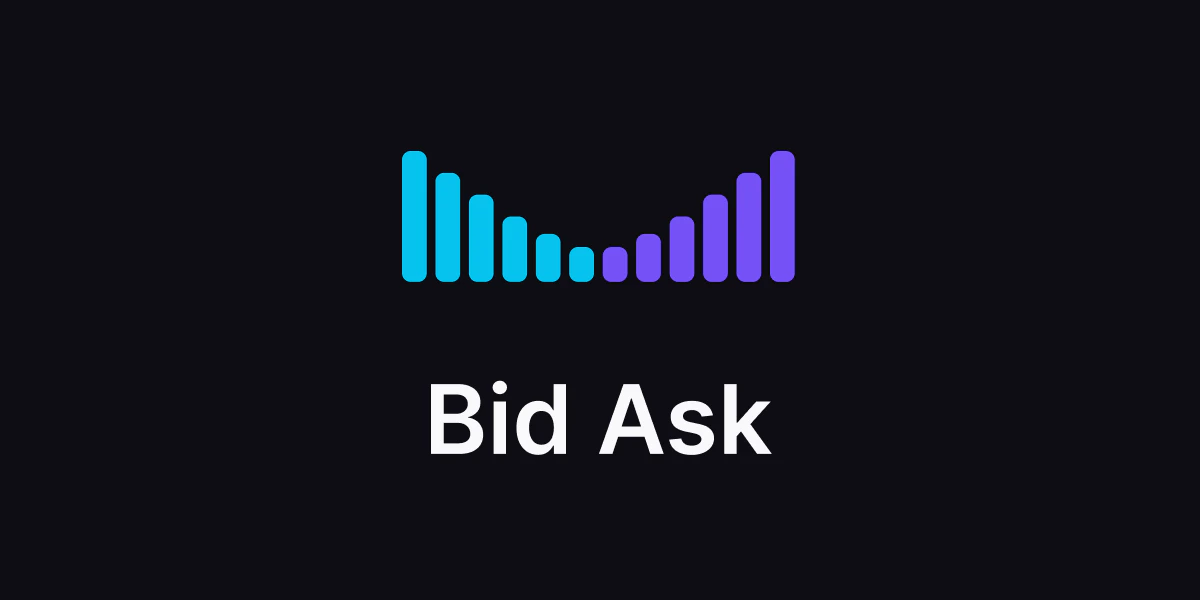 | Volatile markets, DCA entries, DCA exits, and strategies that expect price to move away from the current level. | Places liquidity where larger price swings may happen, helping users buy lower or sell higher across bins. | More advanced than Spot. It may sit away from the active price until the market moves into the edge bins. |
Spot-Concentrated Liquidity equally deposited between 1-3 bins  | Very tight stablecoin or pegged-pair strategies. | Maximum capital concentration around the active price. | Highest out-of-range risk. This strategy needs close monitoring, especially on volatile pairs. |
Spot-Spread Liquidity equally deposited between 20-30 bins 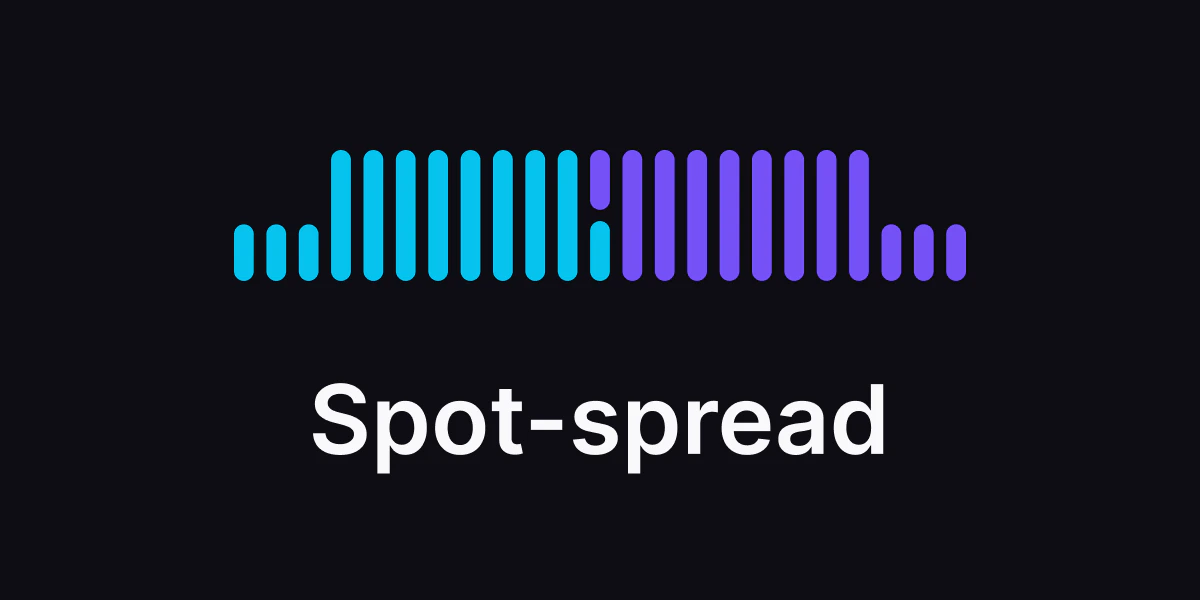 | Markets with moderate daily movement where you still want meaningful capital efficiency. | Balances fee capture with more breathing room than a very tight range. | Can still go out of range during strong trends. Review the position frequently. |
Spot-Wide Liquidity equally deposited across around 50 bins 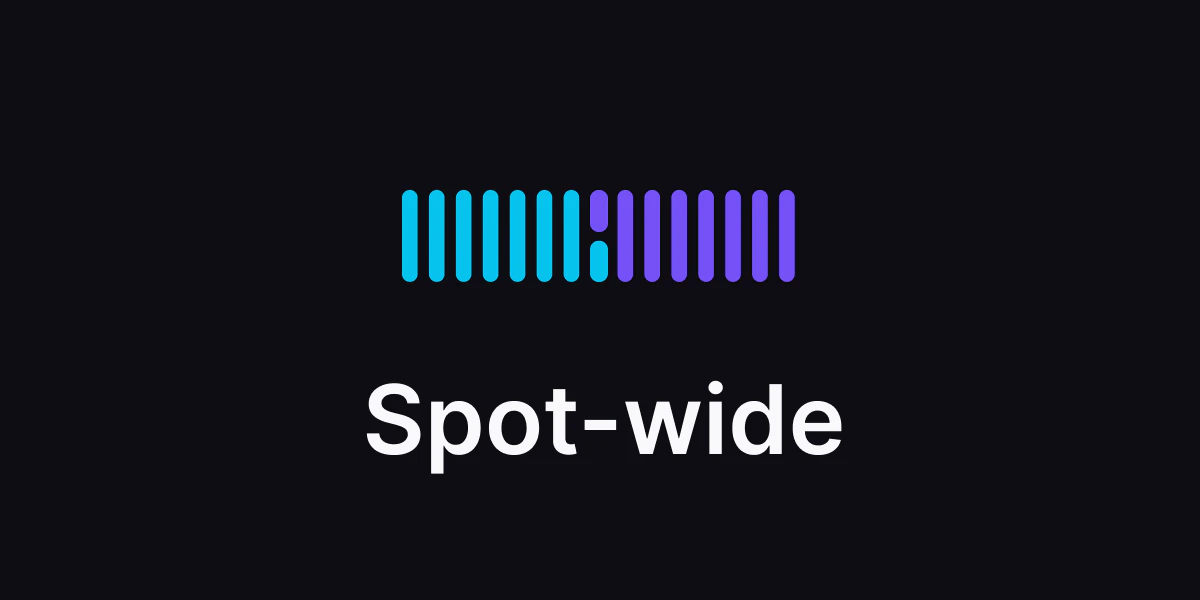 | LPs who want a more resilient range and do not want to rebalance as often. | More durable coverage across price movement. | Lower fee capture per dollar than tighter strategies because liquidity is spread across more bins. |
Choosing Your Bin Step
Each bin represents a single price point, and the difference between two neighboring bins is the bin step. You can think of bin step like tick size: a smaller bin step creates tighter price intervals, while a larger bin step creates wider jumps between bins. For example, if SOL is 20.05, then $20.10, and so on.Smaller Bin Step
Creates a tighter price ladder and can capture more continuous trading activity. This is generally better suited for stable pairs and highly liquid markets.
Larger Bin Step
Lets a position cover a wider market range with fewer bins. This is often better suited for volatile pairs where price can move quickly.
For wider range design, see DLMM Dynamic Positions.
How Bin Step Affects Fees
The base fee is the minimum trading fee charged by a pool. In DLMM, the bin step is one of the inputs used to determine that base fee.- Lower base fees may attract more volume.
- Higher base fees earn more per unit of volume.
- Smaller bin steps are usually paired with tighter, more active markets.
- Larger bin steps are usually paired with wider, more volatile markets.
Common Use Cases
Stable pairs
Stable pairs
Use a smaller bin step and a Curve or Spot-Concentrated strategy when you expect price to stay close to the peg. This maximizes capital efficiency but needs monitoring if the peg weakens.
Volatile pairs
Volatile pairs
Use a larger bin step or wider Spot range to reduce the chance of going out of range immediately. Bid-Ask can be useful if you want to capture movement toward the edges.
DCA into a token
DCA into a token
Deposit quote token single-sided and use Bid-Ask or selected bins below the current price. As price moves down, your quote token can gradually convert into the base token.
DCA out of a token
DCA out of a token
Deposit base token single-sided and place liquidity above the current price. As price moves up, your base token can gradually convert into quote token.
Token launches
Token launches
Use DLMM to bootstrap liquidity with a shape that matches expected launch volatility. Wider ranges can support price discovery, while dynamic fees help capture more value when trading demand is high.